

Anxiety in Men

Understanding Men’s Anxiety
Anxiety in men doesn’t always look obvious.
Anxiety can often manifest as constant pressure, irritability, overthinking, restlessness, or being permanently “on edge”. Sometimes it shows up as working longer hours, withdrawing from people, drinking more than usual, or snapping at those closest to you.
At Men’s Minds Matter, we see anxiety as an important emotion and not a sign of weakness. Anxiety is a feeling that is there to alert you to the presence of dangers either in the present or in the future. It’s part of your threat detection system which is designed to protect you.
However, it’s not perfect and can cause problems when it’s set off too easily, when it stays switched on for too long, it limits what we can do or becomes something you fear.
This guide has been created to help you understand anxiety in men, how it connects to depression, practical steps that you can take, and where to get support.
What is Anxiety?
Anxiety is part of the brain’s built-in threat detection system. From a neuroscience perspective, fear and anxiety responses help us anticipate danger and prepare to act (LeDoux & Pine, 2016 – American Journal of Psychiatry).
When this system is working well, it can help us to:
- Respond instinctively to immediate dangers
- Stay alert
- Problem-solve
- Prepare for challenges
- Protect what matters
- Enhance performance
However, when threat responses become prolonged, exaggerated or misdirected, they can interfere with daily life and become life limiting.
Globally, anxiety disorders are among the most common mental health conditions, and often involve excessive fear and behavioural disturbances beyond what the situation requires.
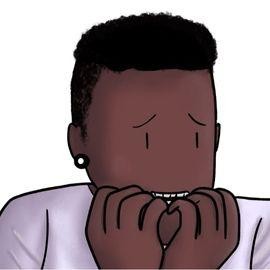
When feelings are out of proportion to the situations triggering them or when the person becomes fearful of the feelings themselves, people can develop problems with anxiety. However, anxiety itself is not something to fear.
Symptoms of Anxiety in Men
Anxiety affects the body (physiology), thoughts (cognition), and behaviour. Not every man will experience it in the same way, but common patterns are recognised in clinical guidelines.
According to the National Institute for Health and Care Excellence (NICE, 2023 guidance on general anxiety disorder and panic disorder), symptoms often include:
Physical Symptoms
When the threat system activates, the body prepares for action. This can lead to:
- Racing or pounding heart
- Muscle tension
- Poor sleep or insomnia
- Sweating
- Shortness of breath
- Restlessness
Psychological Symptoms
Anxiety also affects thinking patterns. Men may notice:
- Constant or frequent worry
- Catastrophic “worst case” thinking
- Difficulty concentrating
- Feeling on edge
- Irritability
- Fear of losing control
Behavioural Signs
Some men experience anxiety through changes in behaviour. Research suggests that men may externalise distress more often than internalise it (Seidler et al., 2016 – Clinical Psychology Review).
This can look like:
- Working excessively to distract from worry
- Increased alcohol or substance use
- Avoiding conversations or social situations
- Withdrawing from friends or family
- Increased anger or agitation
Because these behaviours aren’t always labelled as “anxiety”, men’s anxiety can often go unrecognised.
Acting on Instinct
Threat based feelings activate us so that we are primed to respond to dangers. We do this initially through instinctual and automatic response (action tendencies). The most immediate instinctive response to threat is to get away (flight) . If we can’t run then our next instinct is to ‘fight’. This is known as the flight and fight response.
Anxiety and Thinking
Modern day threats rarely require us to run or fight. Instead, they require ongoing efforts to keep them at bay so that we maintain a safe environment. By thinking about problems we can find ways to stay safe from both real and imagined dangers. In our model we call this problem focused thinking (PESC-M) and in anxiety this often comes in the form of worry and catastrophising.
Persistent problem-focused thinking, worry and catastrophising can be a source of psychological discomfort and uses up a lot of energy. It can also be ineffective, not lead to any solutions and increase anxious feelings. We call this the problem solving trap (PESC-M).
Depression & Anxiety in Men
Depression and anxiety often appear together, and there is a strong link between anxiety and depressive disorders.
When anxiety remains unsolved over a long period:
- Sleep can become disrupted
- Thinking becomes more negative
- Problem-solving capacity narrows
- Hopelessness increases
If you need support for anxiety or low mood, there are options available. Please see our Mental Health Services page.

Types of Anxiety Disorders
Clinical classification systems such as the DSM-5-TR identify several anxiety-related disorders. These can include:
- Generalised Anxiety Disorder (GAD)
- Panic Disorder
- Social Anxiety Disorder
- Specific Phobias
- Obsessive-Compulsive Disorder (OCD)
- Post-Traumatic Stress Disorder (PTSD)
All of these have evidence-based psychological interventions available to help you get to the root of the problem.
NICE guidelines summarise the recommended treatments here.
How to Improve Anxiety in Men
Reducing anxiety isn’t just about lowering symptoms. It’s about understanding why the threat system is stuck on and addressing the processes that lead to anxiety.
1. Name the Threat
Anxiety grows when the threat feels vague or everywhere at once. Naming the threat will make it something actionable.
Ask yourself:
- What exactly feels under threat right now?
- Is it work? Money? A relationship? Your health?
- What am I most afraid will happen?
Write it down in one sentence and make it as specific as possible – alongside what you actually think will happen.
Once the threat is clear and defined, it becomes something that you can work on rather than something that feels overwhelming and everywhere.
If you can’t locate any dangers or threats it may just be a false alarm. This is when you can apply some cool techniques to help reduce the intensity of anxious feelings.
2. Lower The Physical Threat Response
Your body often reacts before your mind can catch up. Slowing your nervous system helps protect your ability to think.
Try:
- Slowing your breathing (longer exhale than inhale)
- Step outside and move your body
- Reduce caffeine and alcohol
- Prioritise sleep where possible
- Take breaks from constant problem-solving
- Break The Big Problems Into Smaller Tasks
Some problems can feel too big to tackle which can get in the way of even attempting things. Breaking things down into small steps can help to work towards something bigger. Each step takes us closer and at some point we manage to reach an end point.
Instead of asking “how do I fix my life?”, ask “what is the next small, practical step I can take?”.
That might be:
- Going for a 10-minute daily walk for your health
- Cleaning one room of your house
- Asking for more training at work
- Talking to your partner about your struggles
Small actions can help you to rebuild a sense of control and trust in yourself.
3. Interrupt The Shame Spiral
Many men can respond to anxiety with self-criticism, which can often spiral:
- “I should be coping”
- “Other people can handle this”
- “I’m a bad person”
Instead of letting the spiral happen, try to change your thinking towards this:
- Anxiety is a survival response
- It means that something feels under threat
- It does not mean that I am broken
- Is my anxiety trying to tell me something important
- Or is it a false alarm
- Beware of Avoidance
The best way to protect ourselves from something dangerous is to avoid it. However, avoiding things that we feel anxious about can be life limiting and isolating. Pushing our edge and facing our fears leads to growth and it’s where we learn the most.
Anxiety and Suicidal Thoughts
Most people who experience anxiety will never experience suicidal thoughts. Anxiety does not predict suicide and it is not a causal factor. Anxiety does not lead to suicide.
People who experience suicidal thoughts can understandably feel anxious and fearful. Feeling anxious about suicide is to be expected and many of the techniques that help people to manage anxiety can also be useful for people who are suicidal.
If you are experiencing suicidal thoughts you can find more information here.
If you are in immediate danger, contact the emergency services in your area.
If you’re worried about a friend, take a look at our Help a Suicidal Friend page
If You Need Help Now
If anxiety feels like it is causing you problems it’s worth seeking help.
You can:
- Speak to your GP
- Access NHS IAPT Talking Therapies
- Talk to someone you trust
- Be curious and do your own research into anxiety

Support Men’s Minds Matter
If you’ve found this information helpful and want to support our ongoing research and efforts to prevent male suicide, take a look at these pages to see how you can help: